
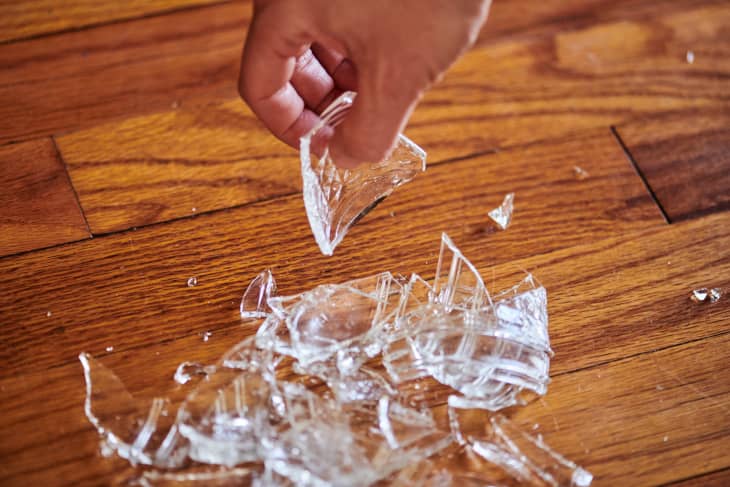
“I AM SAD AND BROKEN” is how my text message to the young lady I had been in love with read. We had recently parted ways, and within days, the feeling of emptiness completely engulfed me. ‘Sad’ and ‘broken’ are words that can often be used together yet have no connection. I’m not contending that ‘brokenness’—whatever that enigmatic term implies—cannot lead to ‘sadness’. Instead, I’m urging us to question why we embrace the descriptor ‘broken.’
Let’s rewind a bit. What does it truly mean to be broken? Kevin Mackey on Quota.com says ‘broken’ is when “life has lost meaning…something has hurt you to the point that everything is tainted.” He adds, “No one can be trusted, and everyone is assumed to be evil.” In Kevin’s perspective, being broken is a response to enduring such profound pain that the only defence is emotional detachment from the world. Accordingly, ‘broken’ presupposes anguish and pain. Imagine standing on the shores of your own ‘brokenness’, with the waves of despair crashing at your feet. It’s a desolate landscape where the fractured pieces of your soul seem irreparable.
Kevin’s perspective, though insightful, merely grazes the surface of a far more profound state of being. His useful description of the word still fails to answer my central question—what does being broken mean? Let’s take a closer look at the word itself.
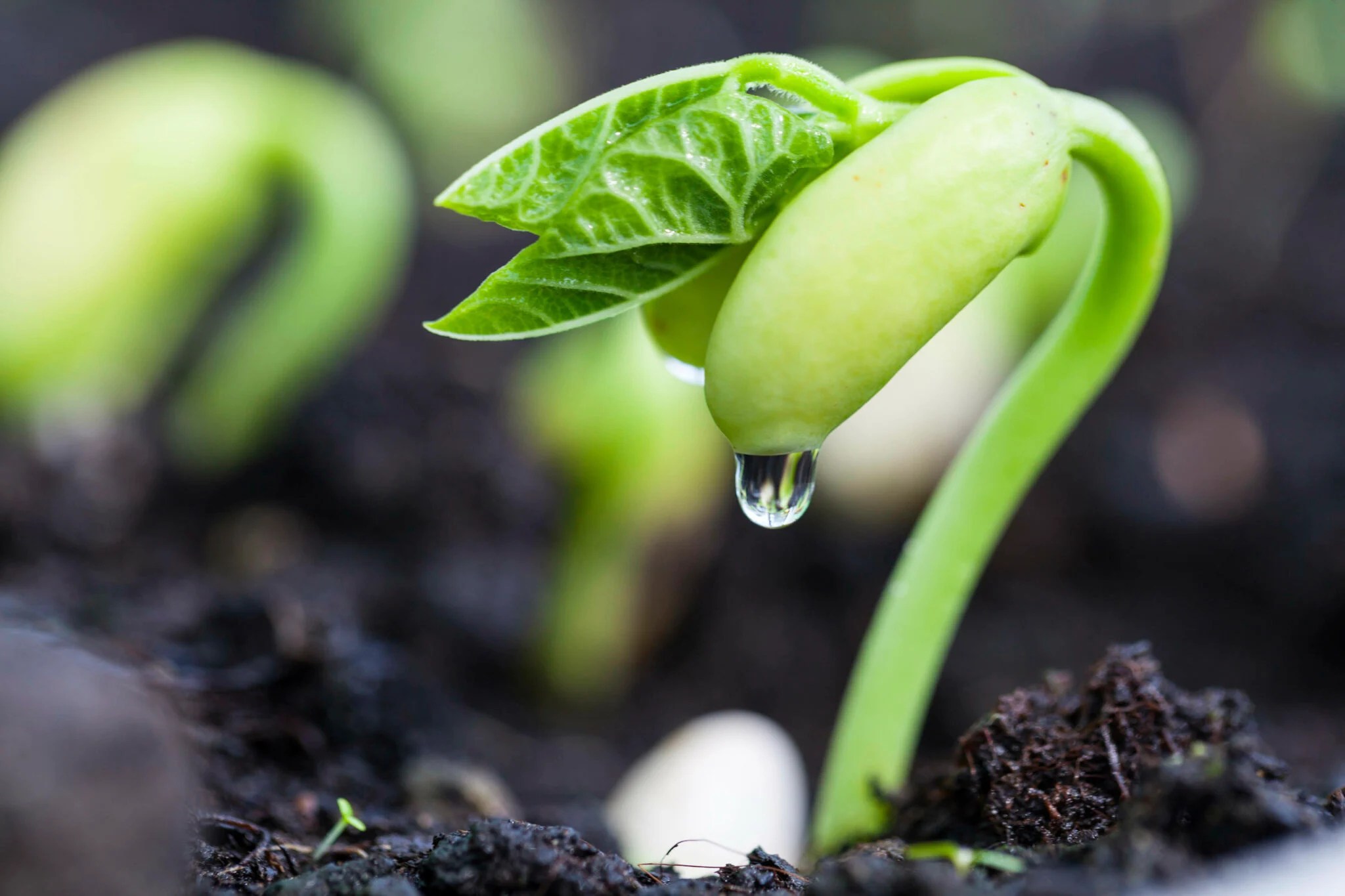
The word ‘broken’ often weaves a narrative of irretrievable loss and unredeemable pain. It echoes in the silence of shattered dreams and resonates in the fragments of trust left behind. Yet, within the very essence of this word lies a paradox—brokenness isn’t the end; it’s a beginning. Consider the term ‘broken’ itself. The mere sound of it evokes a sense of disintegration, a separation from completeness. Yet, if we look beyond the fractures, we find a promise of renewal. Think of a seed that must break open to grow into a flourishing tree. In its truest sense, brokenness is a state of becoming, a transformative process rather than a terminal condition.
As I grappled with my own brokenness during that season, I sought solace in biblical wisdom. The Scriptures speak of brokenness not as a permanent state but as a path to redemption. The psalmist declares, “The Lord is near to the broken-hearted and saves the crushed in spirit” (Psalm 34:18, ESV). It is a testament that in our most shattered moments, a divine presence is ready to mend the irreparable.
The question lingers: why do we often perceive ourselves as ‘broken’? Perhaps it’s the weight of the world’s expectations, the relentless pursuit of perfection, or the scars of past wounds that lead us to believe we are beyond repair. It’s easy to lose sight of our inherent wholeness when engulfed by the shadows of despair.
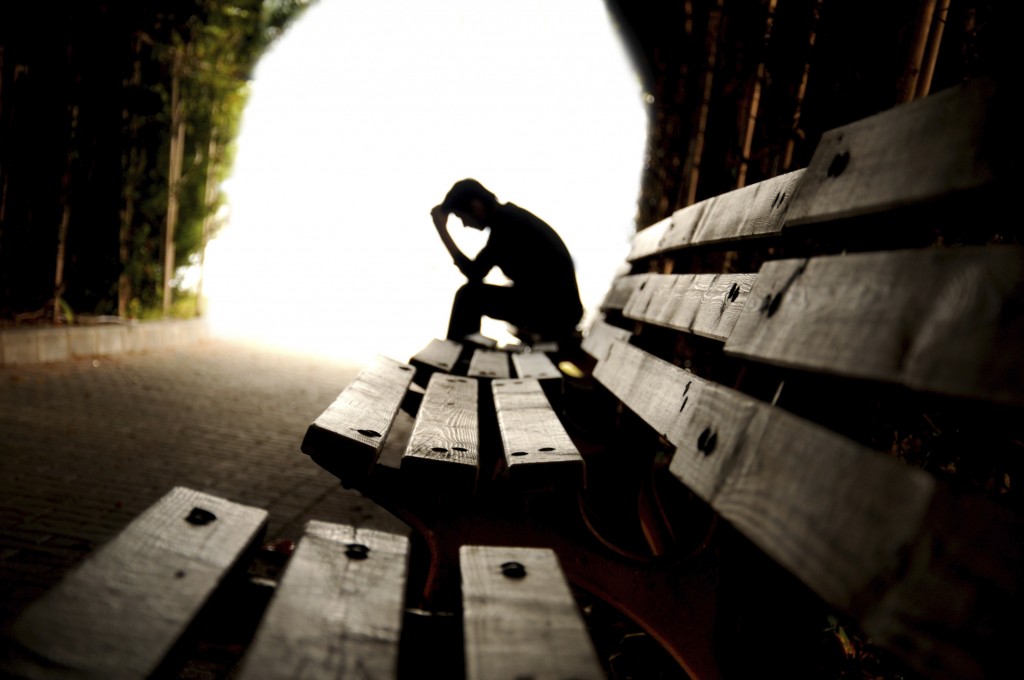
I vividly recall the weight of brokenness I felt at the wit’s end of that relationship. Suicide even became a viable option since it seemed I’d finally arrived at my complete undoing. It was as if the pieces of my life lay scattered, and no amount of effort could bring them together. In those moments, the grip of sadness tightened its hold, and despair threatened to become my constant companion. Thankfully, amidst the darkness, a flicker of hope emerged—a reminder that brokenness, no matter how overwhelming, is not the final chapter. Through my faith, I found solace, understanding that the very hands that crafted the universe could also mend the shattered fragments of my soul. In those times of deep despair, I clung to the promise in Isaiah 41:10: “Fear not, for I am with you; be not dismayed, for I am your God; I will strengthen you, I will help you, I will uphold you with my righteous right hand” (ESV). These words became a beacon in my darkness, guiding me to realise that brokenness is not a testament to my inadequacy but an invitation for divine intervention.
So, are we truly broken? Or are we, in fact, in the process of becoming something greater than our present selves? The answer lies not in the permanence of our brokenness but in the hope that transcends it. In the grand picture of existence, each pixel of brokenness contributes to the masterpiece of our lives. Just as a mosaic is formed from shattered pieces, so too can our lives be a testament to resilience and restoration. Therefore, let us embrace the truth that our brokenness is not abandonment. Christ, the ultimate healer, bore our burdens on the cross, offering redemption and restoration. As we navigate the storms of life, His unwavering presence is our anchor, ready to lift us from the depths of despair.
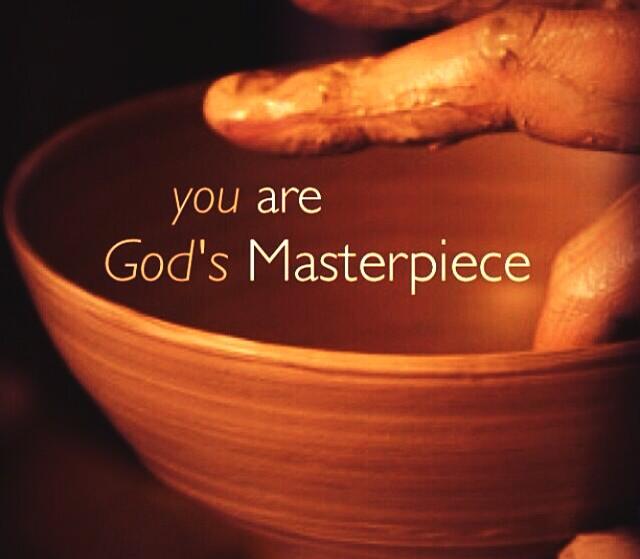
In conclusion, let the narrative of brokenness be transformed into a symphony of resilience. Our scars, instead of defining us, become testaments to the healing power that resides within and beyond us. Remember, dear reader, you are not merely broken; you are in the process of becoming whole, a masterpiece in the hands of the divine craftsman.

 Kingsley Udofa, PhD
‘Our scars, instead of defining us, become testaments to the healing power that resides within and beyond us.’
This is very insightful and profound. Thank you for sharing.
Hi Ruth, many thanks for such a kind comment. I’m glad the post blessed you; please feel free to share. Blessings.
This has really blessed me! Isaiah 41:10 is such a powerful scripture. “Brokenness is a state of becoming”. I am in the process of becoming whole. Thanks for sharing!
Thank you Bolanle, I’m glad you’ve been blessed just as I was blessed by those reflections.
Amen
I stumbled upon this by serendipity, but the chords it struck were bitingly familiar.
I remember the exact feeling of circumnavigating this particular complex headspace, a period made more difficult by an onslaught of the sluggish passage of time.
Indeed, as we cruise into the end of the first quarter of the 21st century, and the orthodoxy parrots the idea that masculinity means strength and being macho and men are to eschew emotions as though gabbage, it is refreshing to see raw emotions from a male gaze.
Writing is therapeutic and so is emotional expression. With the addition of a belief system as rock-solid as the Christian faith, it reinforces the notion brick by brick, from foundation to lintel, that men are humans too who could make do with unhinged and unfiltered emotional expression.
Very well captured sentiments.
Salud.
Fifi